设计 · 未来
科技创新设计研讨会成功举办
Design · Future — International Symposium on Technology and Innovation in Design
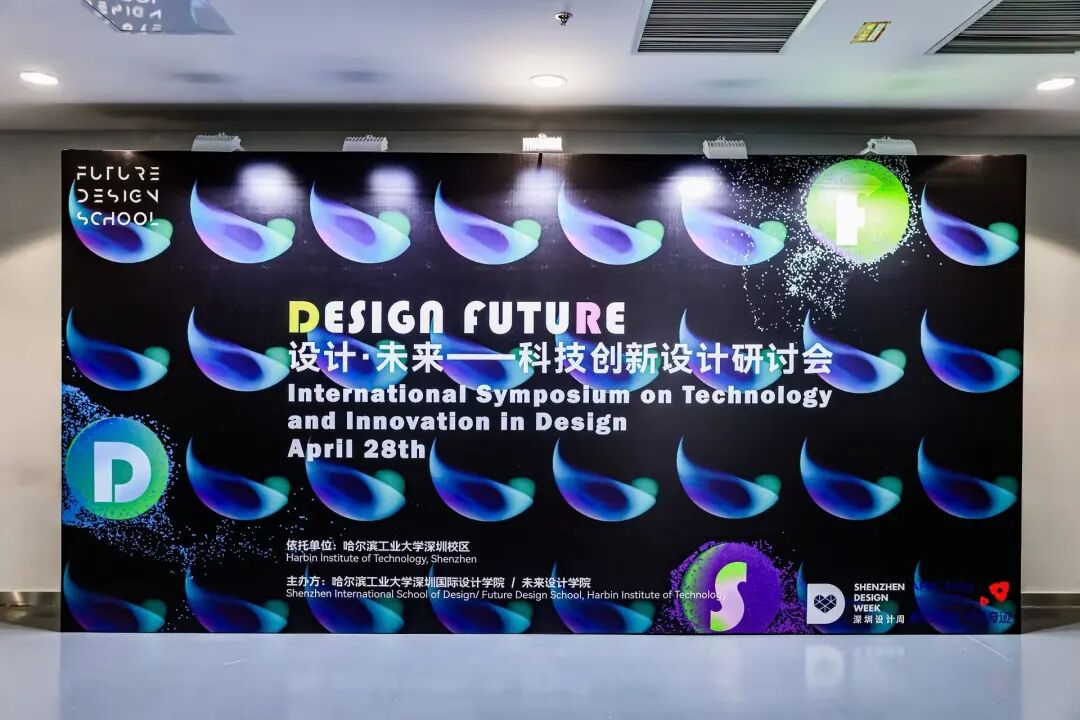
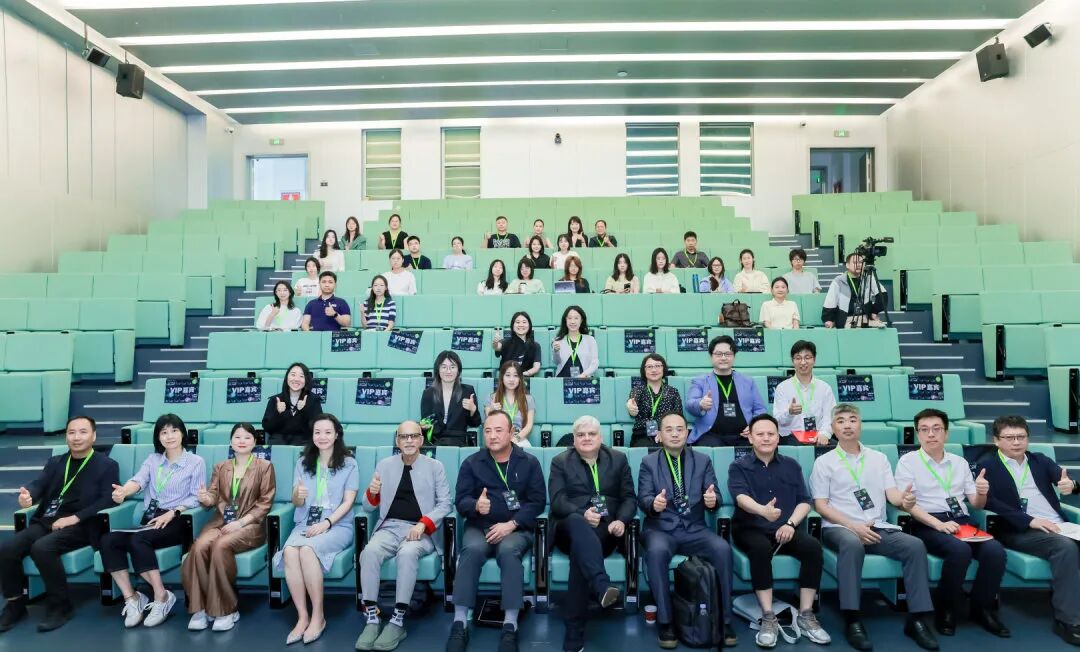
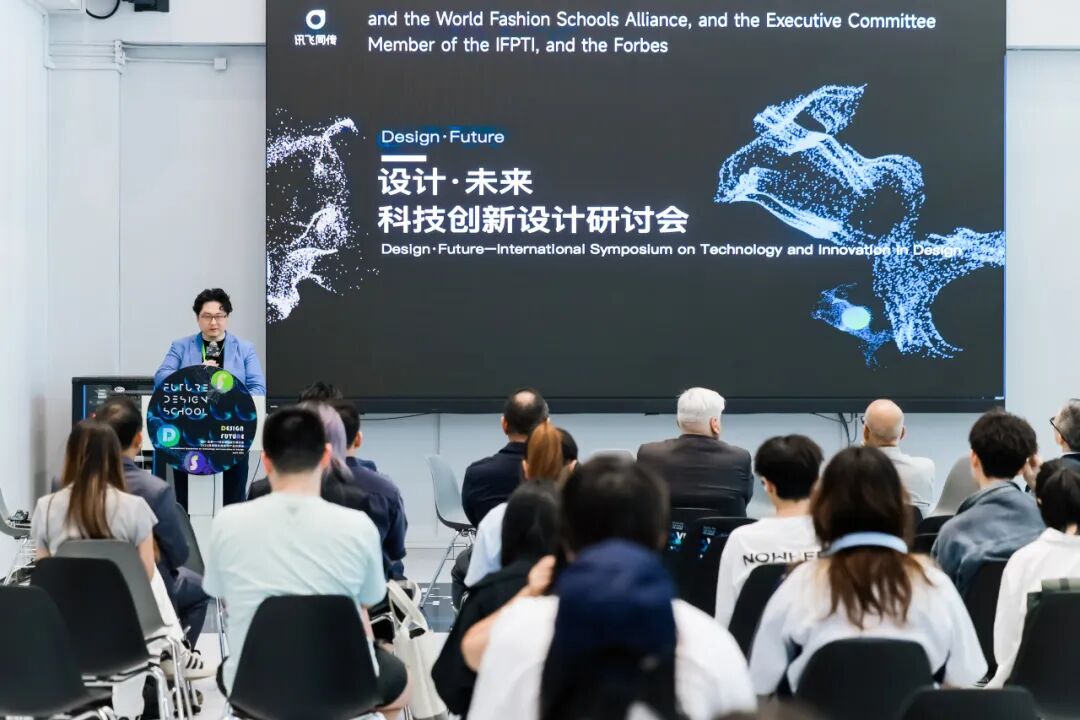
4月28日,“设计·未来——科技创新设计研讨会”于哈尔滨工业大学深圳国际设计学院/未来设计学院成功举行。本届研讨会立足深圳“设计之都”与科技创新高地的双重定位,并与2026深圳设计周联动,旨在搭建一个跨学科、跨产业、跨文化的高端对话平台。
On April 28, the “Design·Future — International Symposium on Technology and Innovation in Design” was successfully held at the Shenzhen International School of Design / Future Design School, Harbin Institute of Technology. Rooted in Shenzhen’s dual identity as a 'City of Design' and a hub for technological innovation, and coordinated with the 2026 Shenzhen Design Week, this symposium aimed to build a high-end dialogue platform that spans disciplines, industries, and cultures.
会议由未来设计学院特聘院长邱信贤担任总策划、助理教授杨玉婷担任执行策划。此次盛会吸引了来自全球的业界大师、教育家、企业专家、设计师的参与,嘉宾围绕“范式演进:技术奇点下的设计新边界”这一主题,共同探讨技术奇点下的人机共生设计伦理、未来设计教育的跨学科转型及数字生态下的情感交互。来自全球4个国家、18位国内外设计界知名学者欢聚一堂,进行了为时7小时的精彩对话。包含主旨演讲与圆桌讨论,线上与线下的与会者收获满满,受益匪浅。
The symposium was placed under the overall planning of Hsin-Hsien Chiu, Distinguished Dean of the Future Design School, with Assistant Professor Yuting Yang serving as the executive planner. The event attracted industry leaders, educators, corporate experts, and designers from around the world. Under the theme “Paradigm Evolution: New Boundaries of Design under Technological Singularity,” participants collaboratively discussed topics including the ethics of human-machine coexistence design, the interdisciplinary transformation of future design education, and emotional interaction within digital ecosystems. The gathering brought together 18 distinguished scholars from four countries for an engaging seven-hour dialogue, featuring keynote lectures and roundtable forums. Both online and on-site participants gained rich insights and benefited greatly from the event.
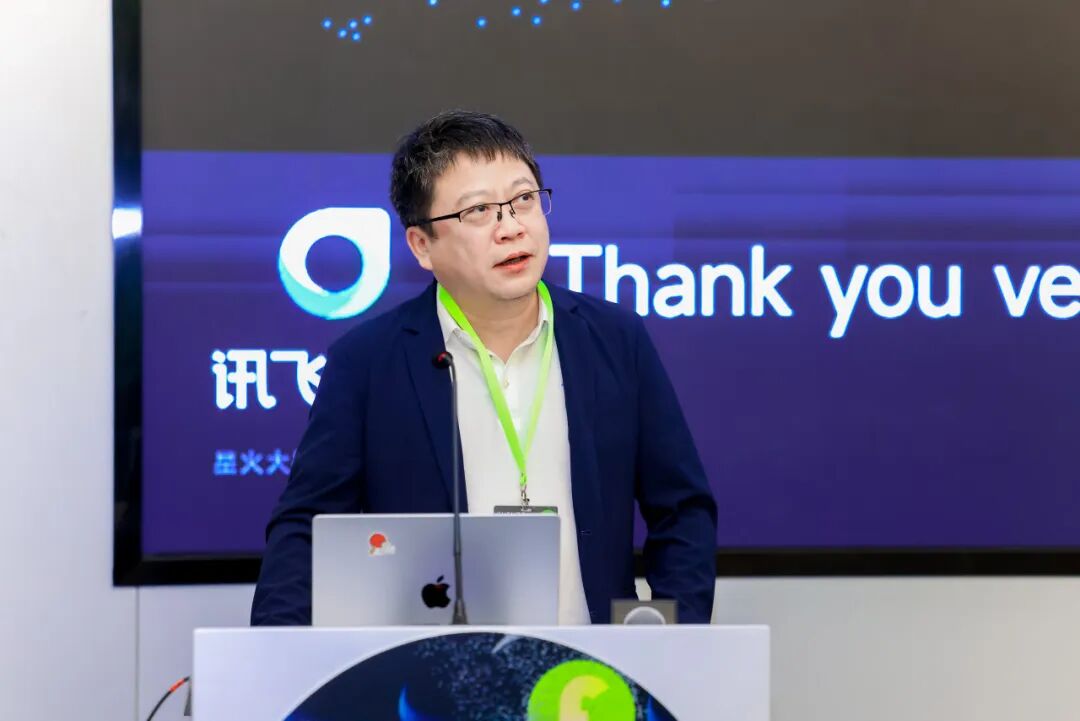
哈尔滨工业大学(深圳)副校长张钦宇致开幕辞
Qinyu Zhang( Vice President of Harbin Institute of Technology (Shenzhen) ) delivered the opening speech.
哈尔滨工业大学(深圳)副校长张钦宇、科学技术处处长苗勃然、国际事务处/港澳台办公室副处长李丹、人力资源处副处长徐欢欢、发展规划处副处长郭璞、未来学部副主任兼建筑学院院长宋聚生、副主任兼未来设计学院执行院长刘堃、党委副书记张爱书、徐明媛,以及职能部处的领导出席了本次会议。
Qinyu Zhang (Vice President of HITSZ), Boran Miao (Director of Science & Technology Office), Dan Li (Deputy Director of International Affairs / HK-Macau-TW Office), Huanhuan Xu (Deputy Director of Human Resources), Pu Guo (Deputy Director of the Strategic Planning Office), Jusheng Song (Deputy Director of the Future School & Dean of School of Architecture), Kun Liu (Deputy Director of the Future School & Executive Dean of Future Design School), Aishu Zhang and Mingyuan Xu (Deputy Party Secretaries of the Future School CPC Committee), and leaders from other administrative departments of HITSZ attended the symposium.
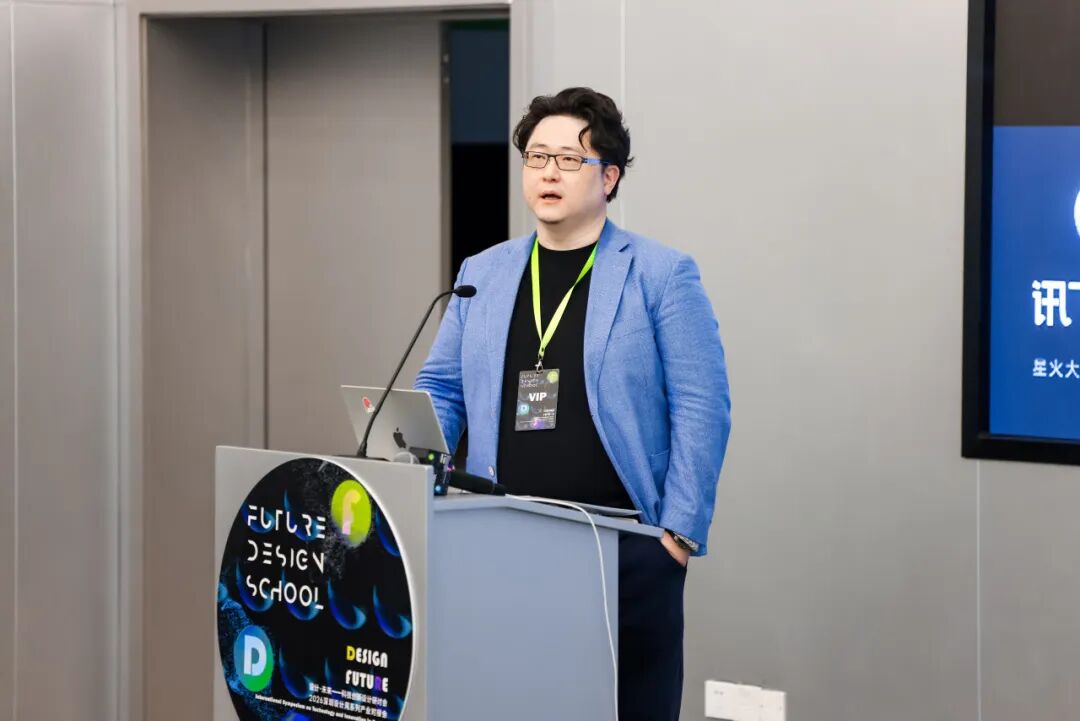
特聘院长邱信贤主持研讨会
Professor Hsin-Hsien Chiu, Distinguished Dean, presided over the symposium
国际战略咨询委员会(ISAB)成立
Establishment of the International Strategic Advisory Board (ISAB)
本次研讨会见证了哈尔滨工业大学深圳国际设计学院/未来设计学院“国际战略咨询委员会”(International Strategic Advisory Board, ISAB)的正式成立与聘任仪式。该委员会定位为学院全球顶层设计智库,使命是定义智能时代设计新范式,引领亚太多元创新生态。委员会汇聚了全球前沿设计院校的领军人物与高新科技企业的战略领袖,核心职能包括战略审议、学科导向与产研转化。
This symposium witnessed the official establishment and appointment ceremony of the International Strategic Advisory Board (ISAB) of the Shenzhen International School of Design / Future Design School, Harbin Institute of Technology. Positioned as the school’s global top-level design think tank, the Board is dedicated to defining new paradigms of design in the age of intelligence and leading a diverse innovation ecosystem across the Asia-Pacific region. It brings together leading figures from world-class design institutions and strategic leaders from high-tech enterprises. Its core functions include strategic review, disciplinary guidance, and the transformation of industry-research outcomes.
委员会成员:
The members of the Board:
· Christian Guellerin - 国际艺术与设计院校联盟(CUMULUS)荣誉主席 / Honorary President of CUMULUS
· David Ruy - Ruy Klein设计事务所总监 / Director of Ruy Klein Design Studio
· Srini Srinivasan - WDO世界设计组织前主席 / Former President of World Design Organization (WDO)
· Per Erik Bjornsen - 意大利驻沪建筑与设计师协会创始会长 / Founder of the Italian Architect and Design Association in Shanghai
· 韩湛宁 - 深圳市亚洲铜设计顾问有限公司创始人 / Founder of Asia Bronze Design Consultants
· 罗成 - 浪尖集团董事长 / Chairman of Langzhen Group
· 黄先华 - 东方麦田工业设计总监 / Design Director of Oriental Wheatfield
· 叶智荣 - 香港理工大学实践教授 / Professor of Practice, The Hong Kong Polytechnic University
· 石春雷 - 深圳工业设计协会代表 / Representative of Shenzhen Industrial Design Association
· Andreas Sicklinger - 意大利博洛尼亚大学工业设计系教授 / Professor of Industrial Design, University of Bologna
· 孙捷 - 东华大学服装与艺术设计学院院长 / Dean of College of Fashion and Design, Donghua University
· 王昀 - 中国美术学院工业设计学院院长 / Dean of School of Industrial Design, China Academy of Art
· 姚政邑 - 中国传媒大学海南国际学院副院长 / Vice Dean of Hainan International College, Communication University of China
· 杜本麟 - 香港理工大学设计学院副院长 / Associate Dean of School of Design, The Hong Kong Polytechnic University
· 王成良 - 中央美术学院设计学院数字媒体方向副教授 / Associate Professor in Digital Media, School of Design, Central Academy of Fine Arts
主旨演讲
Keynote Lecture Section
本届研讨会的主旨演讲聚焦“设计·未来”的核心议题,三位国际知名学者分别从社会可持续性、认知设计以及认知生态三个维度,回应了智能时代设计所面临的核心转型。
The keynote speeches at this year’s symposium focused on the central theme of “Design · Future.” Three internationally renowned scholars addressed the major transformations confronting design in the age of intelligence from the perspectives of social sustainability, cognitive design, and cognitive ecology.
主题演讲 01:设计不只是造物——以跨界创新驱动社会永续转型
Keynote Lecture 01: Designing Beyond Things: How Cross-Domain Innovation Can Save Social Sustainability
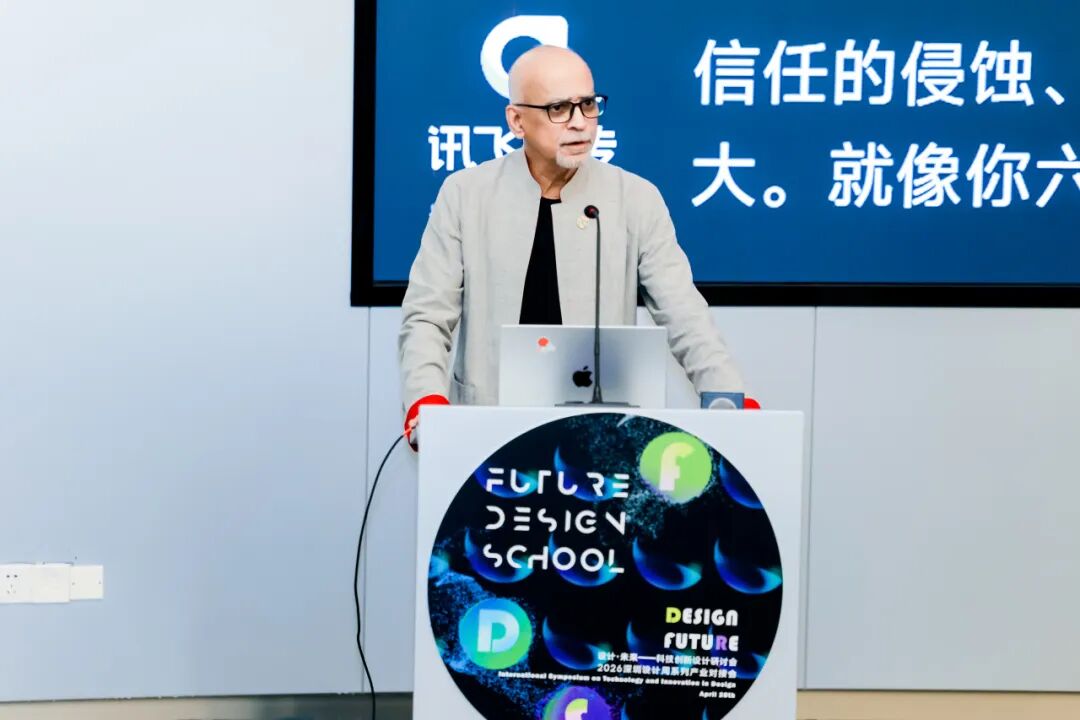
施维山作《设计不只是造物——以跨界创新驱动社会永续转型》
Srini Srinivasan's keynote speech on 'Designing Beyond Things: How Cross-Domain Innovation Can Save Social Sustainability'
首场演讲由资深设计教育家、设计师与企业家Srini Srinivasan教授作报告。他强调当代设计不能只追求技术效率与产品创新,更应回应孤独、信任流失和社区弱化等社会问题,未来设计应走向跨领域协同,通过重建关系、归属感与社会韧性来实现社会可持续性。
The first keynote was presented by Prof. Srini Srinivasan, a distinguished design educator, designer, and entrepreneur. He emphasized that contemporary design should not focus solely on technological efficiency and product innovation, but must also respond to social challenges such as individual loneliness, declining trust, and the weakening of communities. He argued that future design should move toward cross-disciplinary collaboration, rebuilding relationships, a sense of belonging, and social resilience in order to achieve social sustainability.
主旨演讲 02:认知设计——通过算法美学与人机协同重塑产业价值
Keynote Lecture 02: Cognitive Design: Reshaping Industrial Value through Algorithmic Aesthetics and Human-AI Collaboration
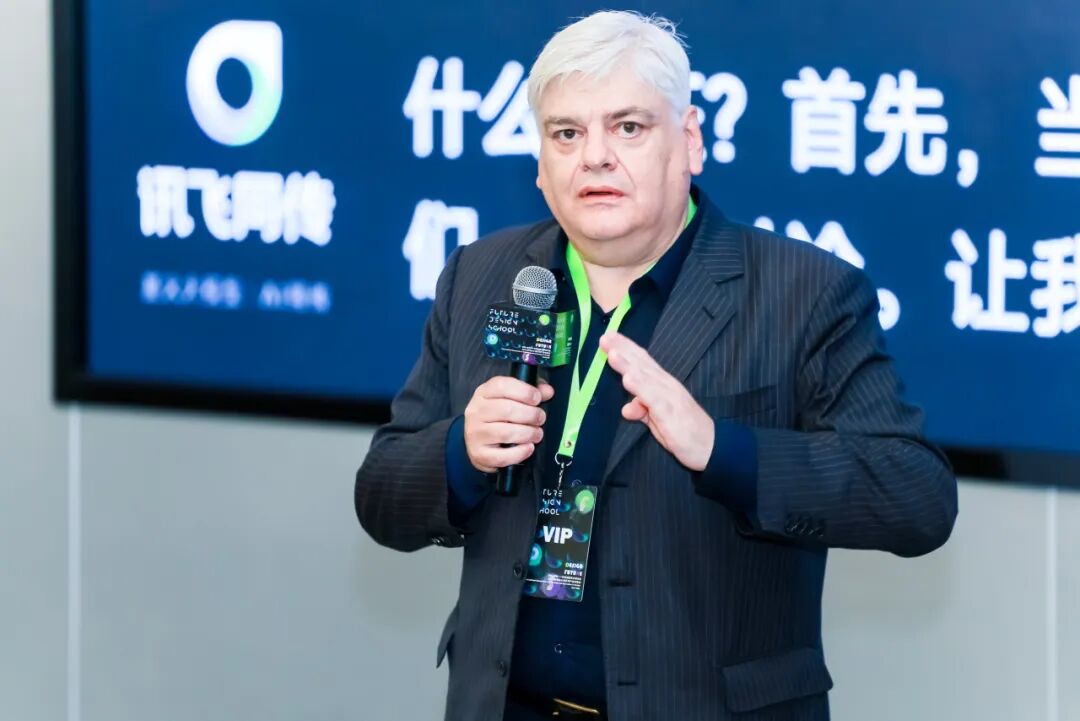
埃里克·比约森作《认知设计——通过算法美学与人机协同重塑产业价值》主旨演讲
Per Erik Bjornsen delivers a keynote speech on 'Cognitive Design: Reshaping Industrial Value through Algorithmic Aesthetics and Human-AI Collaboration'
第二场主旨演讲由Per Erik Bjornsen先生带来。他围绕“认知设计”提出,人工智能正通过算法美学和人机协作重塑传统工业设计流程,认知设计能够显著提升设计效率、降低成本并优化产品性能,是未来产业创新的重要方向。
The second keynote was delivered by Mr. Per Erik Bjornsen. Centered on the concept of “Cognitive Design,” he proposed that artificial intelligence is reshaping traditional industrial design processes through algorithmic aesthetics and human-AI collaboration. He suggested that cognitive design can significantly improve design efficiency, reduce costs, and optimize product performance, making it a key direction for future industrial innovation.
主旨演讲 03:认知生态学
Keynote Lecture 03: Cognitive Ecology
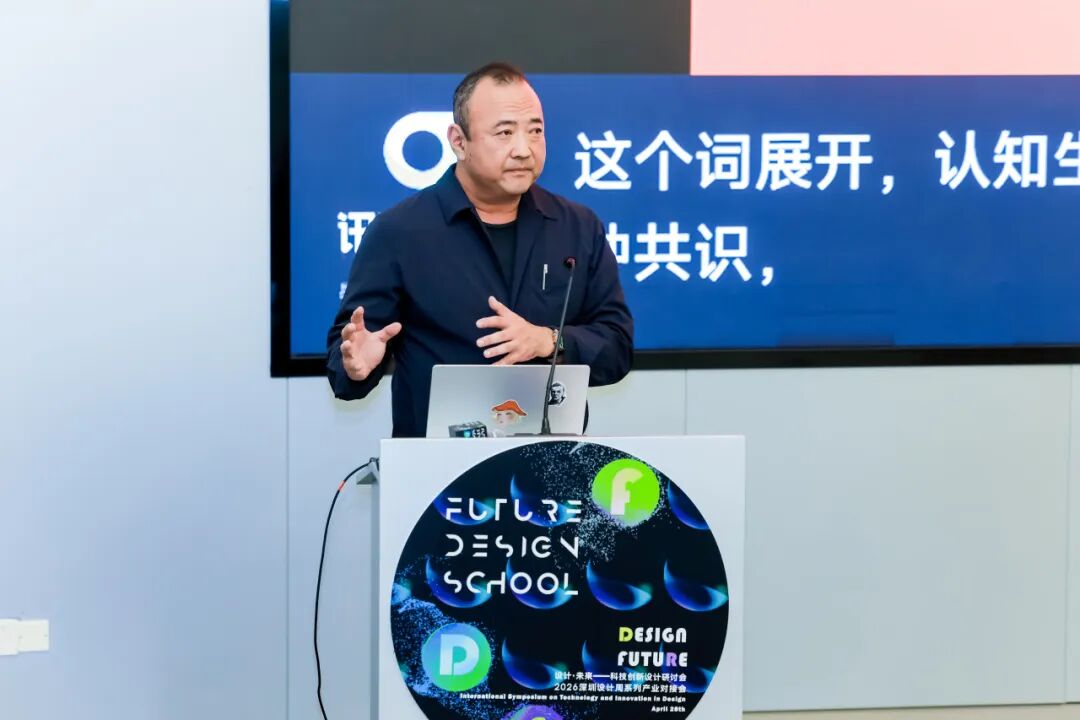
大卫·鲁伊作《认知生态学》主旨演讲
David Ruy delivers a keynote speech on 'Cognitive Ecology'
第三场主旨演讲由David Ruy教授带来。他从“认知生态”出发,重新审视人工智能时代认知、环境与技术之间的关系,强调心智并不局限于个体大脑内部,提出应以生态化、系统化的视角理解智能,关注AI如何影响人类认知方式、文化生成与未来生存环境。
The third keynote was delivered by Prof. David Ruy. Beginning with the concept of “Cognitive Ecology,” he reexamined the relationship between cognition, environment, and technology in the age of artificial intelligence, emphasizing that the mind is not confined to the individual brain. He called for intelligence to be understood from an ecological and systemic perspective, with attention to how AI is influencing human cognition, cultural production, and the future living environment.
嘉宾们走进实验室参观
Lab Tours for the Guests
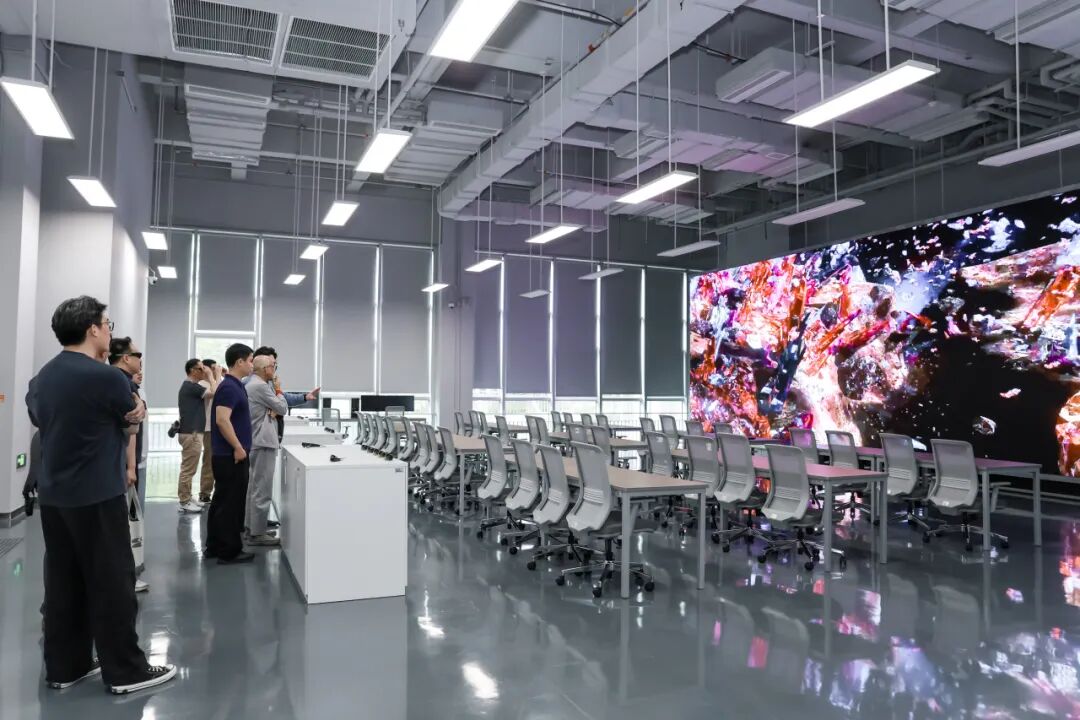
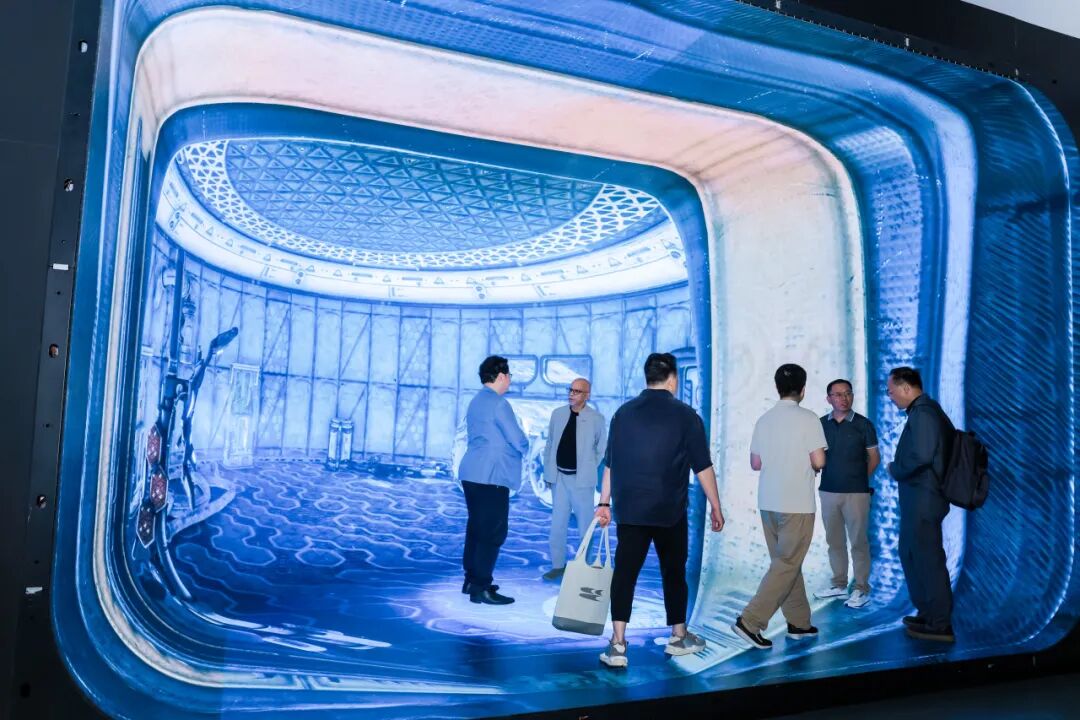
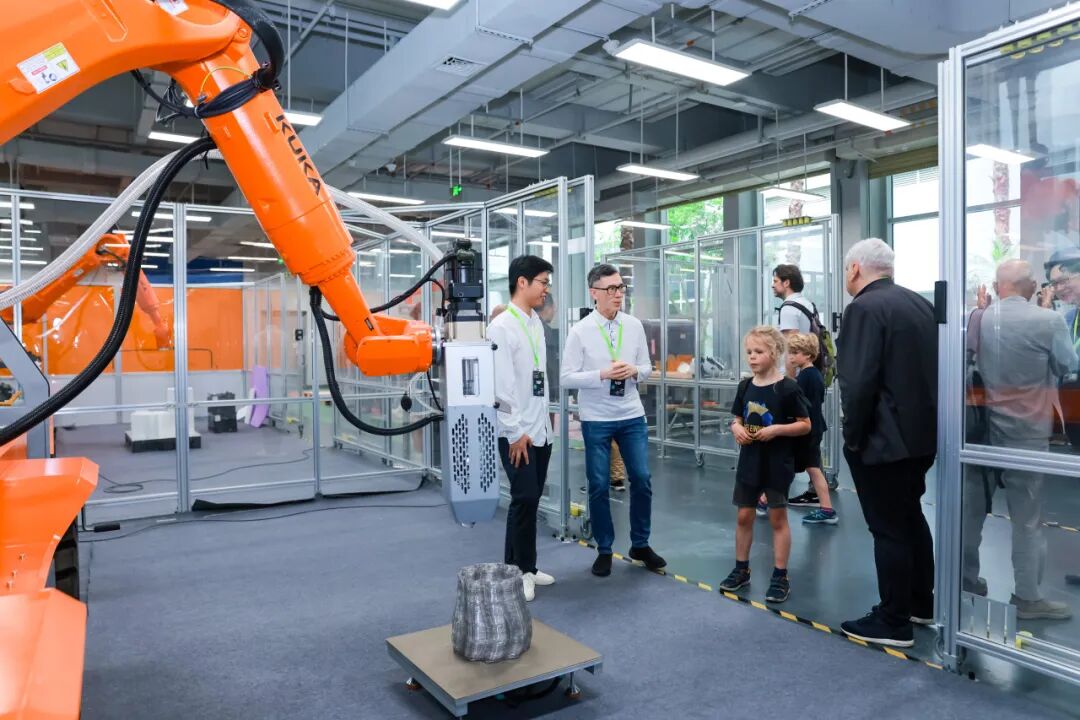
嘉宾们走进实验室参观
The Lab tours for the guests
与会嘉宾参观了未来设计学院实验室,包括数字化建造实验平台、虚拟表达与体验实验平台、智能创意设计实验平台、环境行为与性能分析实验平台以及数据采集与处理中心等。对学院先进的教学科研设施和学生们的创新作品表示了高度赞赏,并与师生进行了深入交流。许多嘉宾表示,这些实验室不仅设备先进,更重要的是体现了学院'艺术与科技'融合的教育理念,为学生提供了优质的实践平台。
Guests visited the laboratories of the Future Design School, including the Digital Fabrication Center, Virtual Environments & Experience Center, Intelligent Innovation & Design Center, Environmental Behavior & Performance Analysis Center, and Data Acquisition & Processing Center. They expressed high appreciation for the school’s advanced teaching and research facilities and students’ innovative works, and engaged in in-depth exchanges with faculty and students. Many guests noted that these laboratories not only feature advanced equipment but, more importantly, embody the school’s educational philosophy of “integrating art and technology,” providing students with excellent practical platforms.
圆桌论坛
Roundtable Forum Section
下午的议程由两场圆桌论坛组成,分别聚焦“设计教育新范式”与“数字生态”两大核心议题。
The afternoon agenda consisted of two roundtable forums, focusing on two core topics: “New Paradigms in Design Education” and “Digital Ecosystems”.
圆桌论坛 01: 设计教育新范式——跨学科人才培养与产教融合
Roundtable Forum 01: New Paradigm in Design Education: Interdisciplinary Talent Cultivation
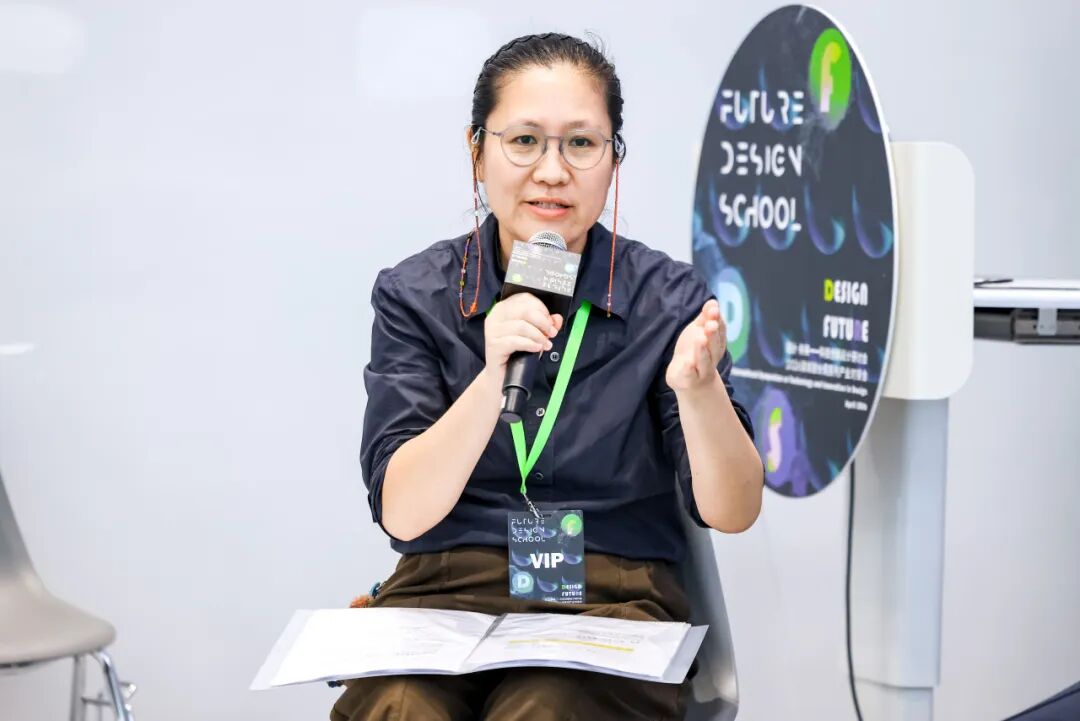
第一场圆桌论坛由未来设计学院执行院长刘堃教授主持,讨论嘉宾包括东华大学服装与艺术设计学院院长孙捷教授、Srini Srinivasan教授、香港理工大学实践教授叶智荣以及邱信贤院长。
The first roundtable forum was moderated by Prof. Kun Liu, Executive Dean of Future Design School, with panelists including Prof. Dennis Jie Sun, Dean of the College of Fashion and Design at Donghua University; Prof. Srini Srinivasan; Prof. Alan Yip, Professor of Practice at The Hong Kong Polytechnic University; and Distinguished Dean Prof. Hsin-Hsien Chiu.
开场分享
Opening Presentations
论坛开始前,孙捷教授和叶智荣教授分别进行了分享。
Before the forum discussion, Professor Sun and Professor Yip each delivered presentations.
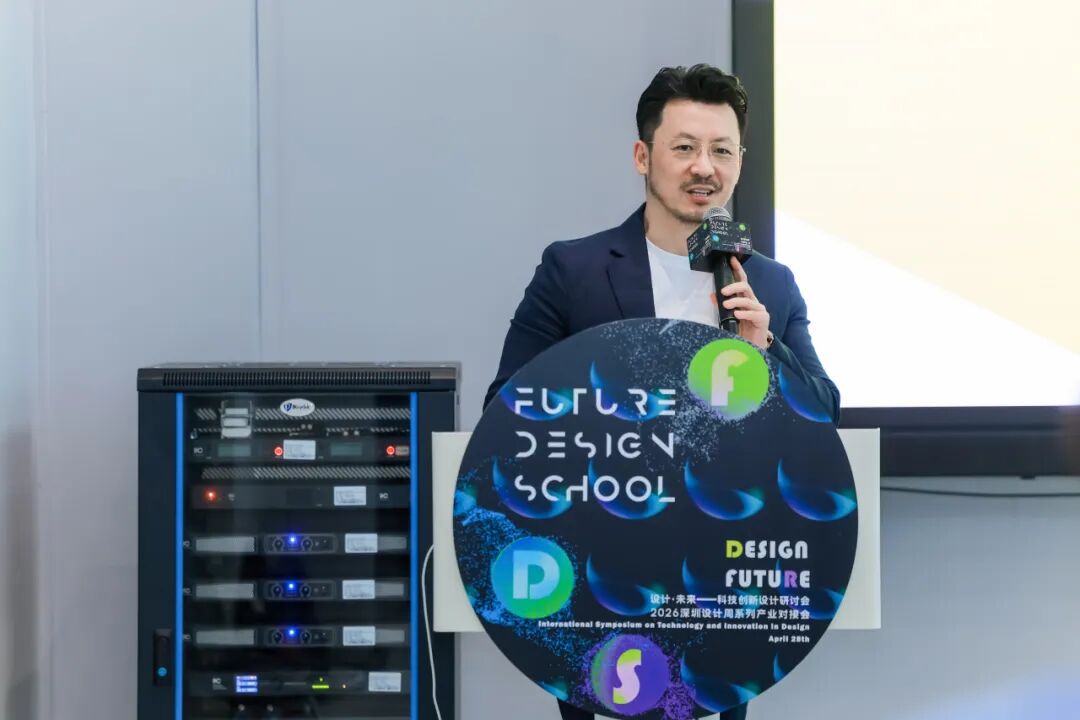
孙捷教授作了题为“'时尚引领’的设计学科生态与都市型设计教育探索”的分享。他强调学科交叉已成为共识,设计教育已成为链接科技、人文与社会变革创新的关键枢纽,并分享了东华大学在时尚设计教育领域的创新实践。
Professor Dennis Jie Sun delivered a presentation titled “Fashion-Led Design Discipline Ecology and Urban Design Education Exploration.” He emphasized that interdisciplinary integration has become a consensus, and design education has become a key hub linking technology, humanities, and social innovation, sharing Donghua University’s innovative practices in fashion design education.
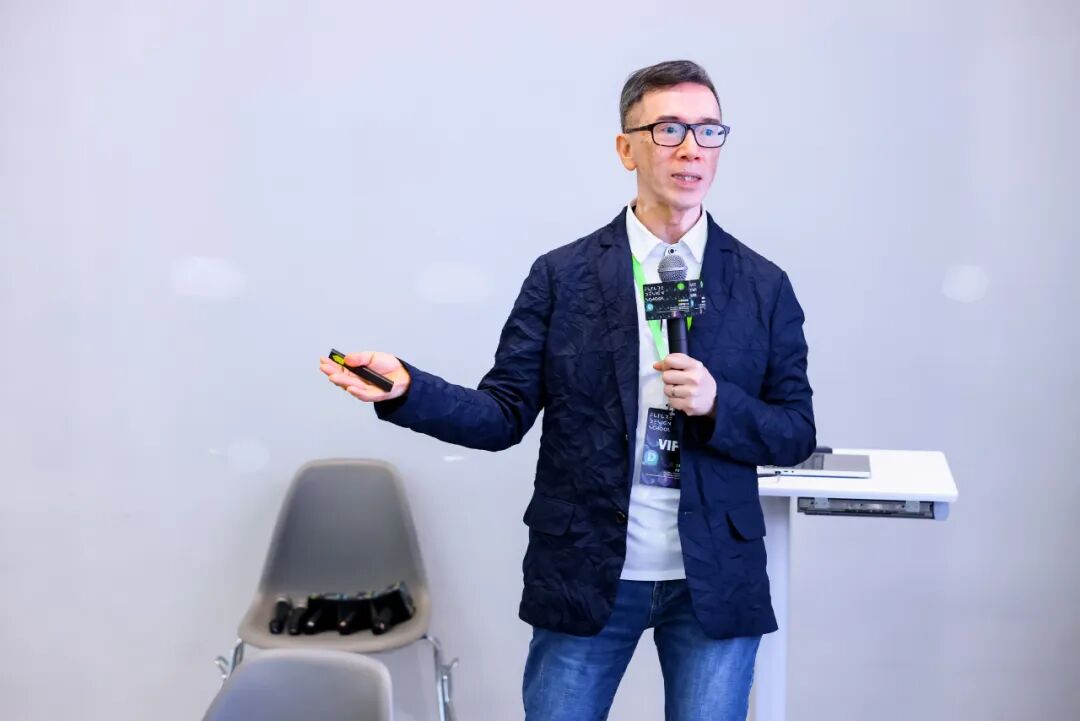
叶智荣教授随后分享了他40多年的产品设计实战经验。他强调,设计教育不仅要传授技能,更要培养学生的设计思维、创新精神和对社会的责任感。
Professor Alan Yip then shared his over 40 years of practical product design experience. He emphasized that design education should not only teach skills but also cultivate students’ design thinking, innovative spirit, and sense of social responsibility.
圆桌讨论
Roundtable Discussion
|
|
|
|
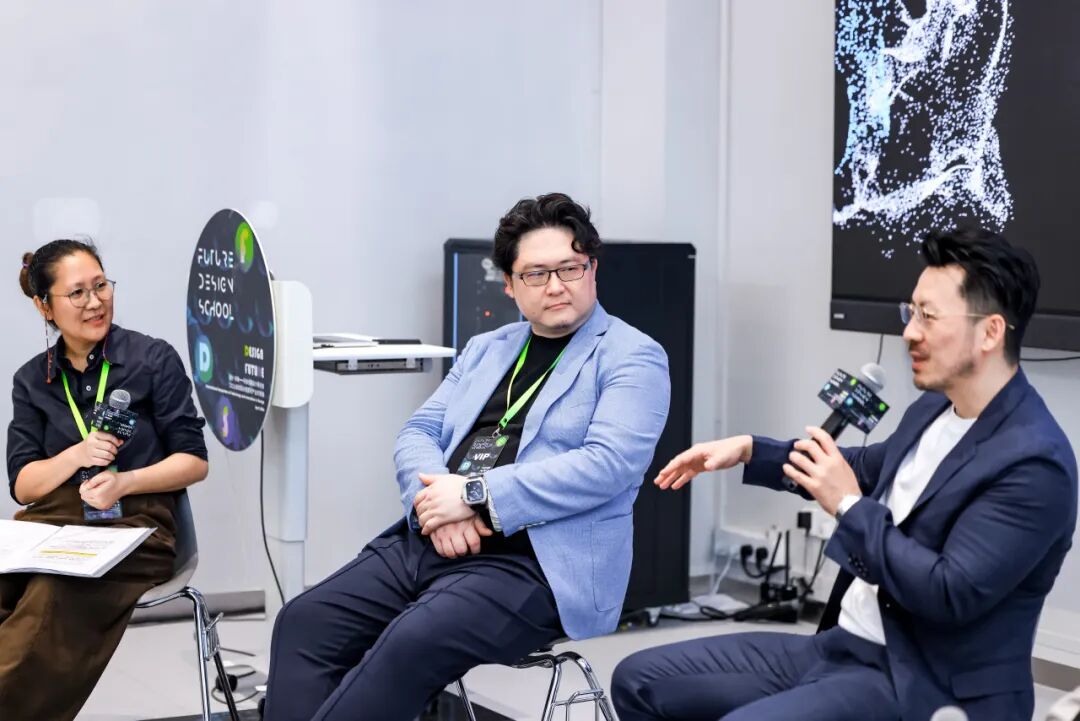
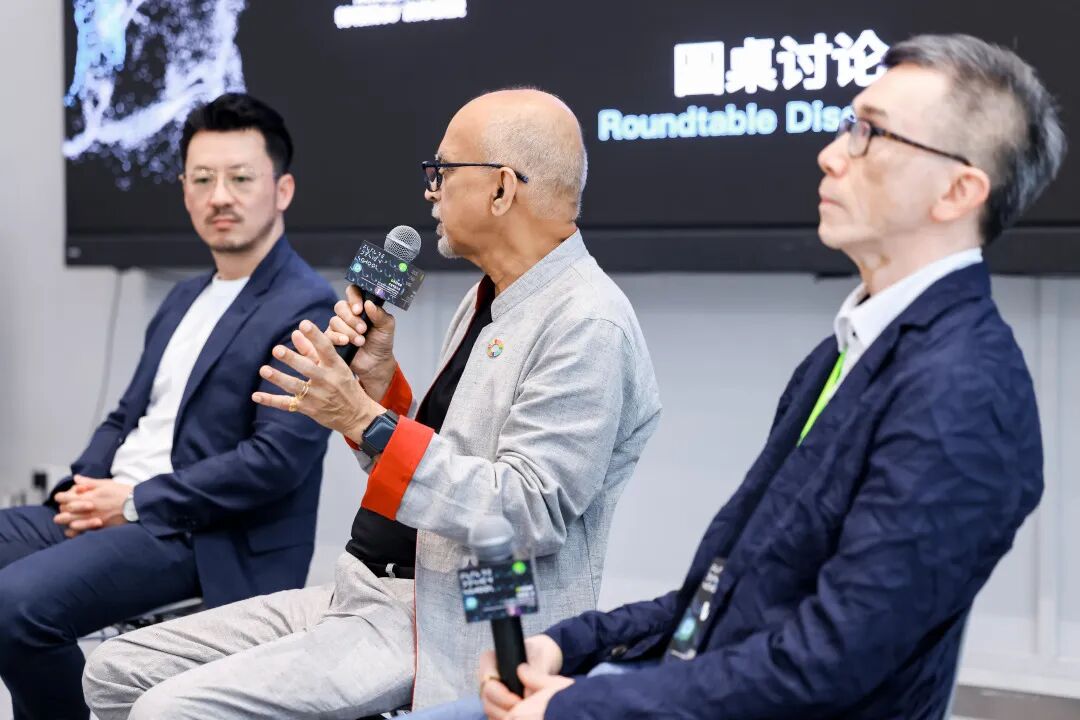
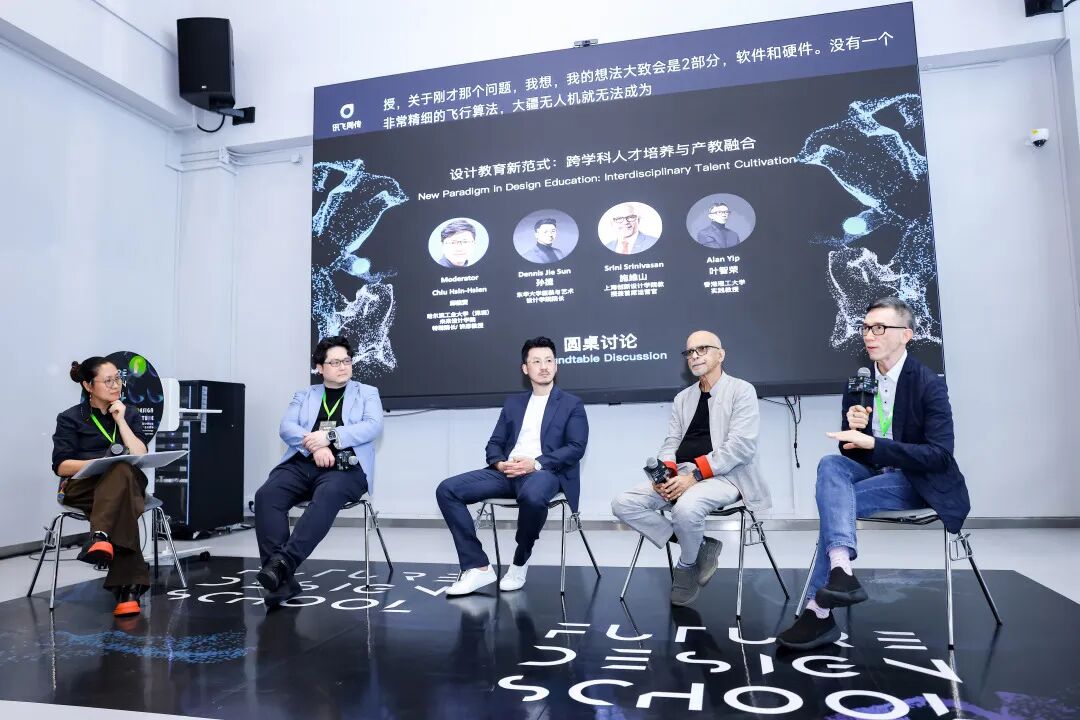
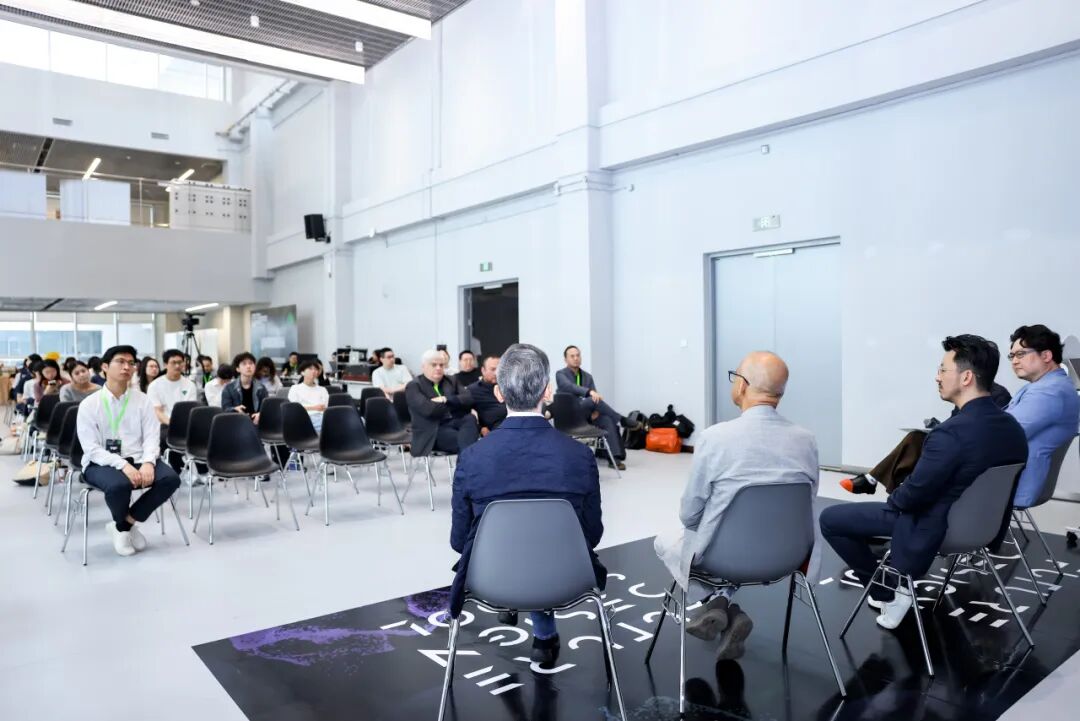
随后,在刘堃教授的主持下,四位嘉宾围绕“设计教育新范式:跨学科人才培养与产教融合”展开了深入讨论,聚焦三个核心问题:
Under the moderation of Professor Liu Kun, the four panelists engaged in in-depth discussions on “New Paradigms in Design Education: Interdisciplinary Talent Cultivation and Integration of Industry and Education” focusing on three core questions:
1. 从工具应用到协同进化:如何从教授“软件操作”转向培养“提示工程(Prompt Engineering)”与“算法鉴赏力”?
1. From Tool-using to Co-evolving: How can we move from teaching 'software operations' to cultivating 'prompt engineering' and 'algorithmic appreciation'?
2. 跨学科融合:如何在设计教育底层引入哈工大硬核的计算背景,培养“设计+科技”的复合型人才?
2. Interdisciplinary Fusion: How can we integrate HIT’s robust computing heritage into the foundations of design education to cultivate interdisciplinary “design + technology” talent?
3. “行动学习”模式:在学院层面如何构建真实的产研项目,作为学生毕业设计或研究课题的评价标准?
3. The 'Action-Learning' Model: How can we develop authentic industry-research projects at the institutional level to serve as evaluation benchmarks for graduation projects and research theses?
嘉宾们一致认为,未来的设计师必须具备跨学科的知识结构和综合创新能力。设计教育应建立跨学科的课程体系,让学生接触不同领域的知识和方法,同时通过跨学科项目让学生在实战中学习协作与创新。在AI时代,技术是工具,设计思维和人文关怀才是核心,新技术应该是增强设计师能力的手段,而不是替代设计师的思考。关于产教融合,嘉宾们强调企业应深度参与学院的战略规划、课程设计和师资培养,学院则为企业提供前沿研究、人才输送和创新孵化,让学生同时接受学术导师和业界导师的指导,更好地连接理论与实践。
The panelists agreed that future designers must possess interdisciplinary knowledge structures and comprehensive innovation capabilities. Design education should establish an interdisciplinary curriculum system, exposing students to knowledge and methods from different fields, while allowing students to learn collaboration and innovation through interdisciplinary projects. In the AI era, technology is a tool, while design thinking and humanistic care are the core; new technologies should be means to enhance designers’ capabilities, not replace designers’ thinking. Regarding industry-education integration, the panelists emphasized that enterprises should deeply participate in the school’s strategic planning, curriculum design, and faculty training, while the school provides cutting-edge research, talent delivery, and innovation incubation for enterprises. They suggested allowing students to receive guidance from both academic and industry mentors to better connect theory and practice.
圆桌论坛 02:数字生态——AI 辅助设计与全链路创新实践
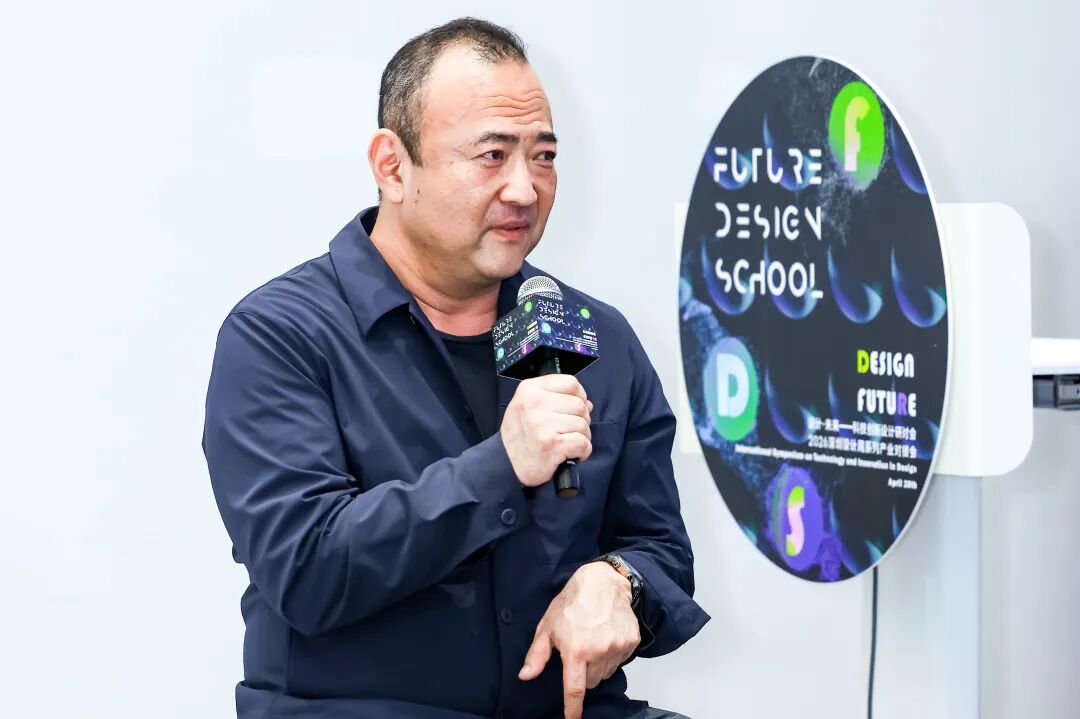
第二场圆桌论坛由David Ruy教授主持,Per Erik Bjornsen先生、中国传媒大学海南国际学院副院长姚政邑教授、香港理工大学设计学院朱旺达助理教授、中央美术学院王成良副教授以及孙捷教授作为讨论嘉宾。
The second roundtable forum was moderated by Professor David Ruy, with panelists including Mr. Per Erik Bjornsen; Professor Zhengyi Yao, Vice Dean of Hainan International College at Communication University of China; Professor Wangda Zhu, Assistant Professor at the School of Design, The Hong Kong Polytechnic University; Professor Cheng-Liang Wang, Associate Professor at the School of Design, Central Academy of Fine Arts; and Professor Dennis Jie Sun.
开场分享
Opening Presentations
论坛开始前,朱旺达教授、姚政邑教授和王成良教授分别进行了分享。
Before the forum discussion, Professor Zhu, Professor Yao, and Professor Wang each delivered presentations.
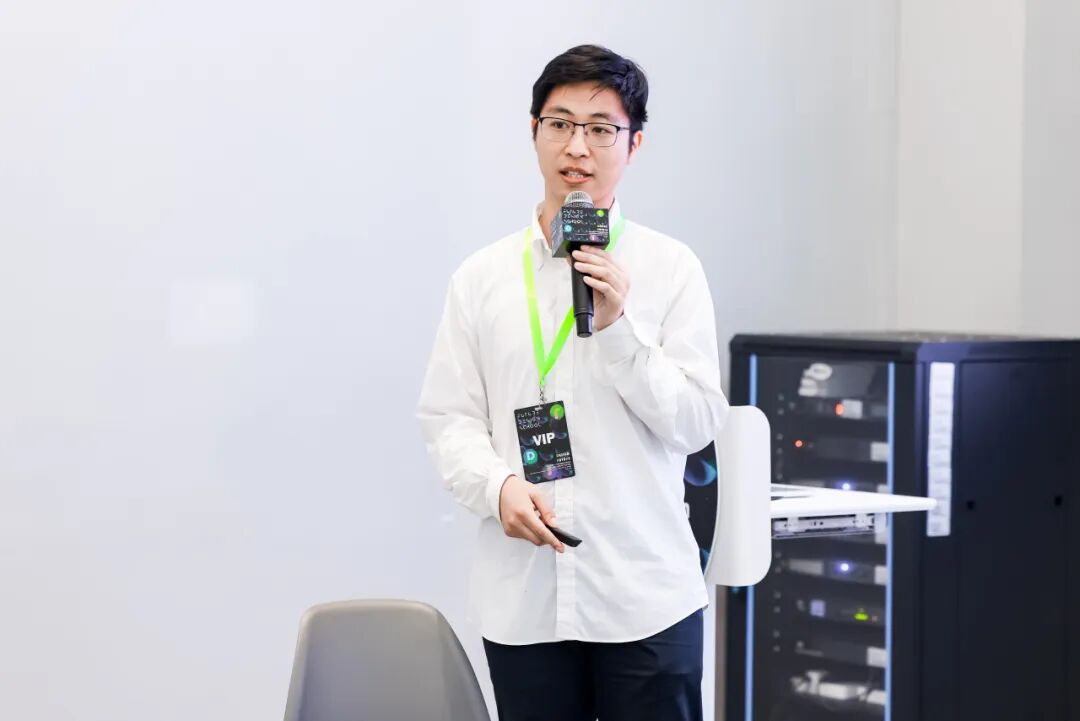
朱旺达教授作了题为“From Tools to Roles: Designing AI in Digital Learning Ecosystems”的分享,展示了他在生成式人工智能支持的学习与设计领域的研究成果。
Professor Wangda Zhu delivered a presentation titled “From Tools to Roles: Designing AI in Digital Learning Ecosystems,” showcasing his research achievements in the field of generative AI-supported learning and design.
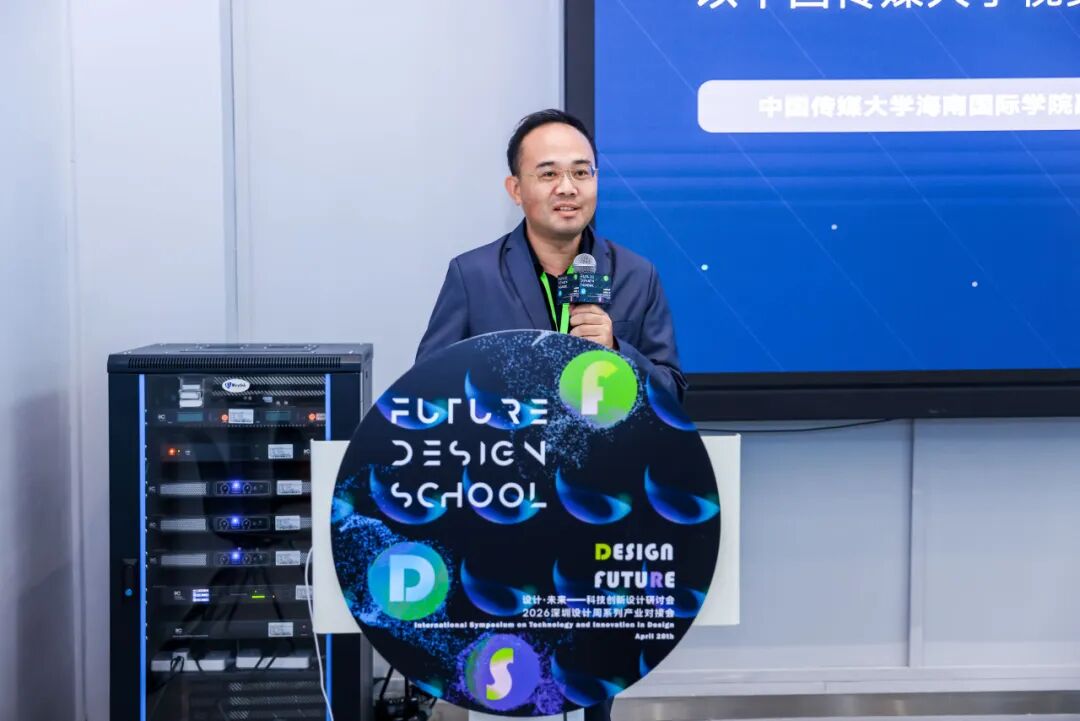
姚政邑教授作了题为“AI生态下传统设计教育的全链路转型与创新实践”的分享,以中国传媒大学视觉传达设计专业为样本,展示了其在数字媒体设计教育方面的探索。
Professor Zhengyi Yao delivered a presentation titled “Full-chain Transformation and Innovation Practice of Traditional Design Education in the AI Ecosystem,” using the Visual Communication Design program at Communication University of China as a case study to showcase explorations in digital media design education.
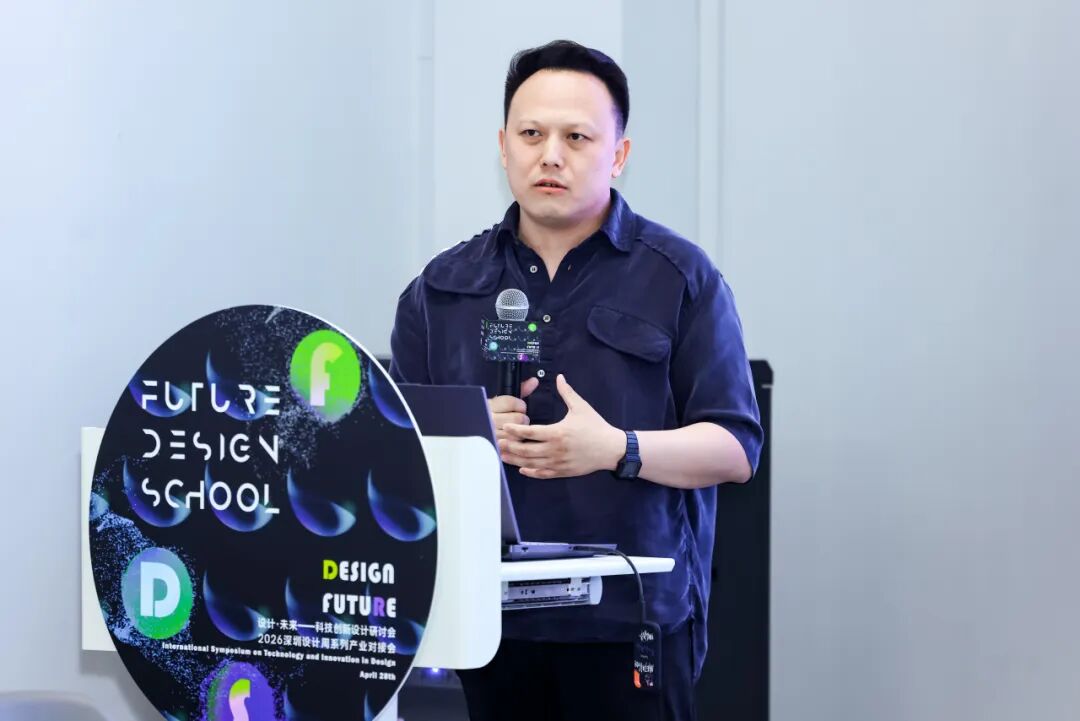
王成良教授分享了他在中央美术学院设计学院数字媒体艺术和交互设计领域的教学与研究经验。
Professor Cheng-Liang Wang shared his teaching and research experience in the fields of digital media art and interaction design at the School of Design, Central Academy of Fine Arts.
圆桌讨论
Roundtable Discussion
|
|
|
|
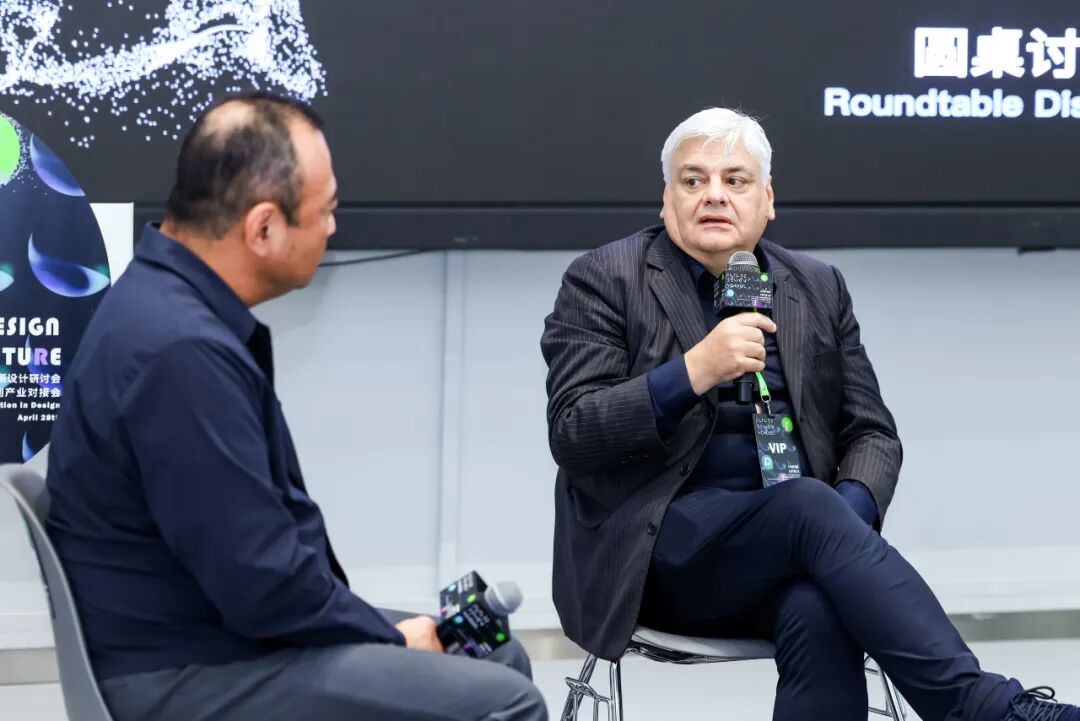
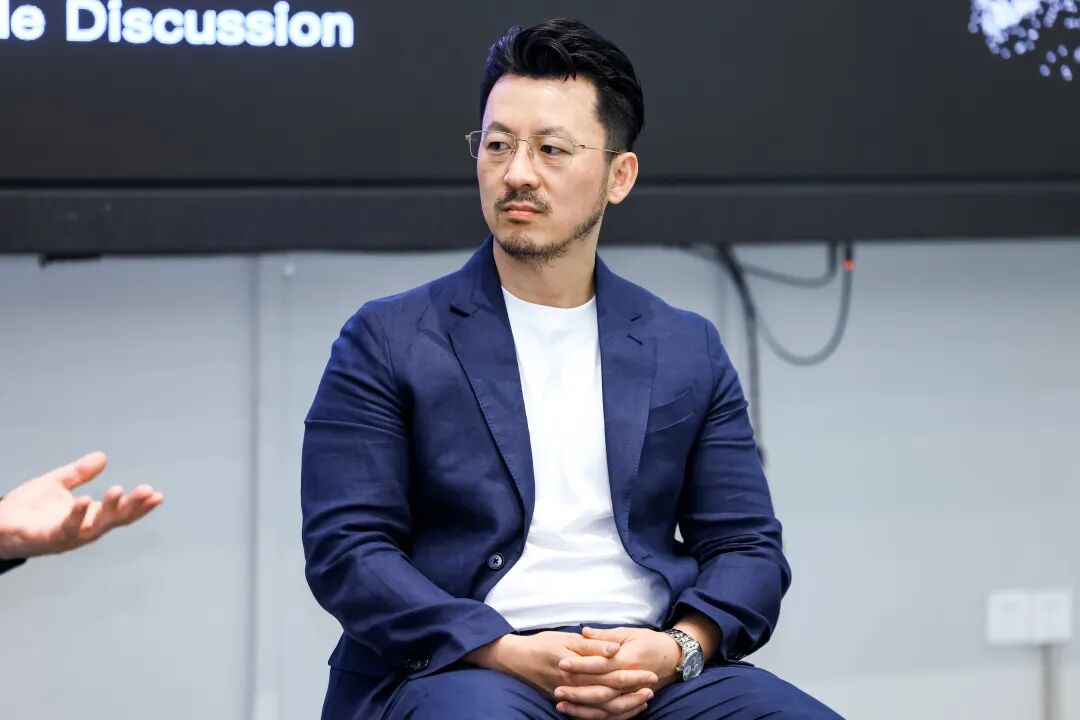
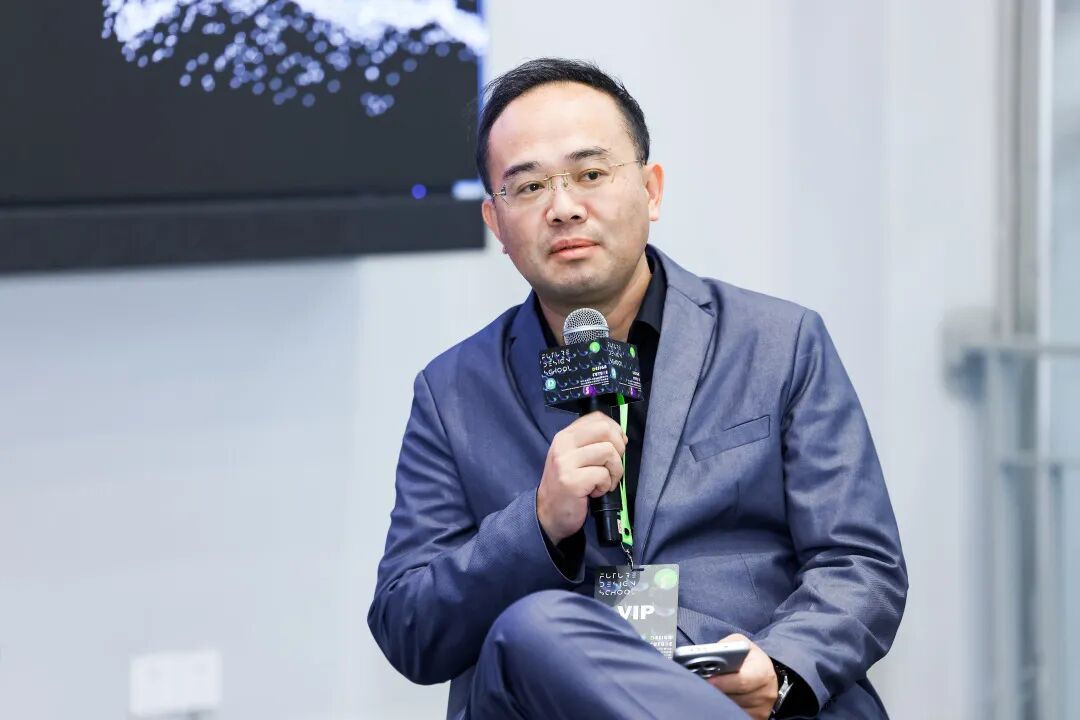
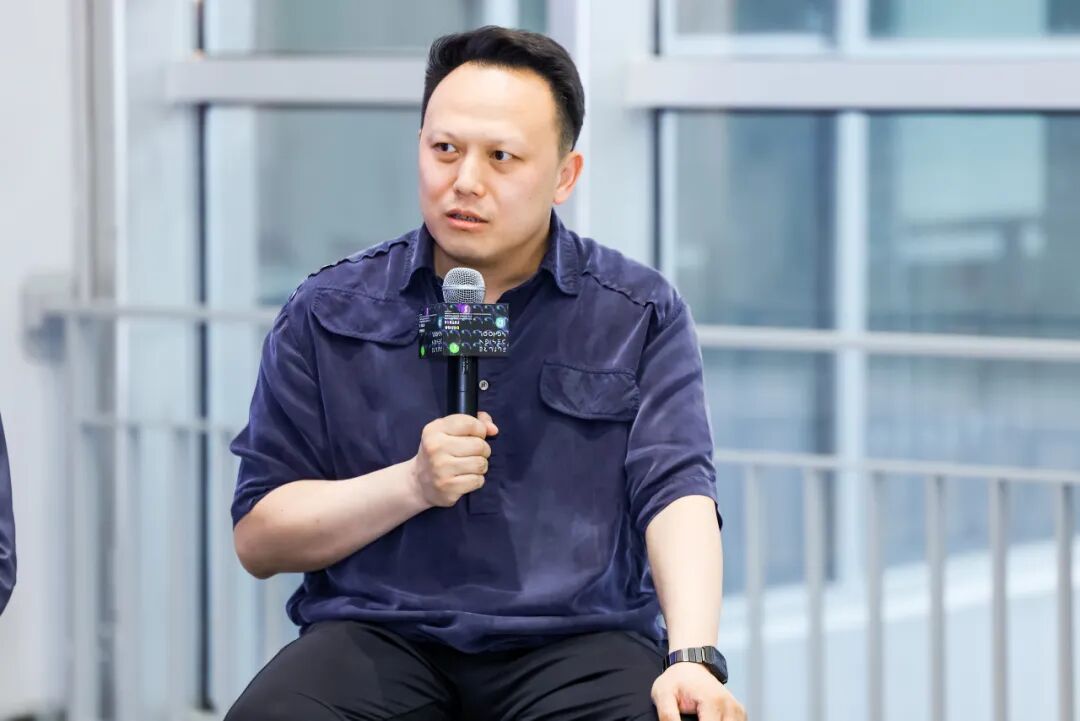
随后,在David Ruy教授的主持下,五位嘉宾围绕“数字生态:AI辅助设计与全链路创新实践”展开了深入讨论。David教授围绕“人机协作”(Human-AI Collaboration)这一核心主题,引导嘉宾们进行了开放式的对话,讨论内容包括AI的使用是否让设计师感到担忧、AI在设计过程中扮演什么角色、如何进行有效协作,以及设计教育如何应对AI时代的挑战等。
Under the moderation of Professor David Ruy, the five panelists engaged in in-depth discussions on “Digital Ecosystems: AI-assisted Design & Full-chain Innovation Practice”. Professor Ruy guided the panelists in an open dialogue centered on the core theme of “Human-AI Collaboration,” with discussions including whether the use of AI makes designers worried, what role AI plays in the design process, how to collaborate effectively, and how design education should respond to the challenges of the AI era.
嘉宾们一致认为,AI应该被视为设计伙伴而非简单的工具,它具有一定的主动性,可以提供建议、生成方案甚至挑战设计师的想法。有效的人机协作应该是优势互补——让AI处理数据分析、模式识别和快速迭代,让人类专注于需要创造性和价值判断的工作。在AI时代,设计教育需要从“技能培训”转向“能力培养”,更加注重培养学生的批判性思维、创新能力、审美素养和人文关怀。具体而言,学生需要理解AI的工作原理、能力边界和伦理问题,学会如何有效地使用AI工具,同时保持对AI输出的批判性思考。设计思维——发现问题、定义问题、创造性解决问题——是不变的核心能力,应该通过项目式学习、跨学科合作等方式加以培养。此外,设计教育还应加强人文课程,培养学生的社会责任感和文化敏感度,为毕业生提供持续的学习支持和职业发展指导。
The panelists agreed that AI should be viewed as a 'design partner' rather than a simple tool; it has a certain initiative and can provide suggestions, generate solutions, and even challenge designers’ ideas. Effective human-AI collaboration should be 'complementary advantages' — letting AI handle data analysis, pattern recognition, and rapid iteration, while humans focus on work requiring creativity and value judgment. In the AI era, design education needs to shift from 'skills training' to “capability cultivation,” placing more emphasis on cultivating students’ critical thinking, innovation ability, aesthetic literacy, and humanistic care. Specifically, students need to understand AI’s working principles, capability boundaries, and ethical issues, learn how to effectively use AI tools, while maintaining critical thinking about AI output. Design thinking — discovering problems, defining problems, creatively solving problems — is the unchanging core capability and should be cultivated through project-based learning, interdisciplinary cooperation, and other methods. In addition, design education should strengthen humanities courses, cultivate students’ sense of social responsibility and cultural sensitivity to provide continuous learning support and career development guidance for graduates.
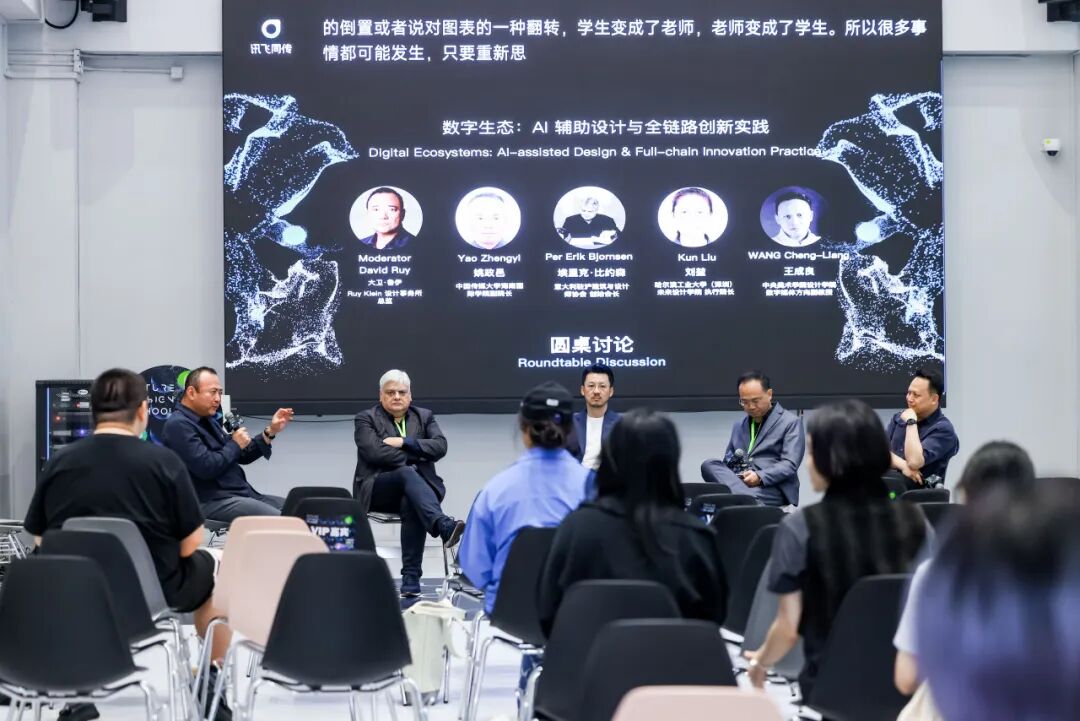
圆桌论坛现场
Scene of the roundtable discussions.
闭幕致辞
Closing Remarks
邱院长对所有与会嘉宾、演讲者、主持人以及工作人员表示了衷心的感谢,他强调,'设计·未来'不仅是一个主题,更是一种使命和责任。在科技飞速发展、社会快速变革的今天,设计的角色和价值正在被重新定义——设计不再仅仅是造物,而是解决复杂社会问题、推动可持续发展、创造美好生活的重要力量。
Distinguished Dean Prof. Hsin-Hsien Chiu expressed heartfelt thanks to all attendees, speakers, moderators, and staff. He emphasized that “Design · Future” is not only a theme but also a mission and responsibility. In today’s era of rapid technological development and social transformation, the role and value of design are being redefined — design is no longer just about making things but is an important force for solving complex social problems, promoting sustainable development, and creating a better life.
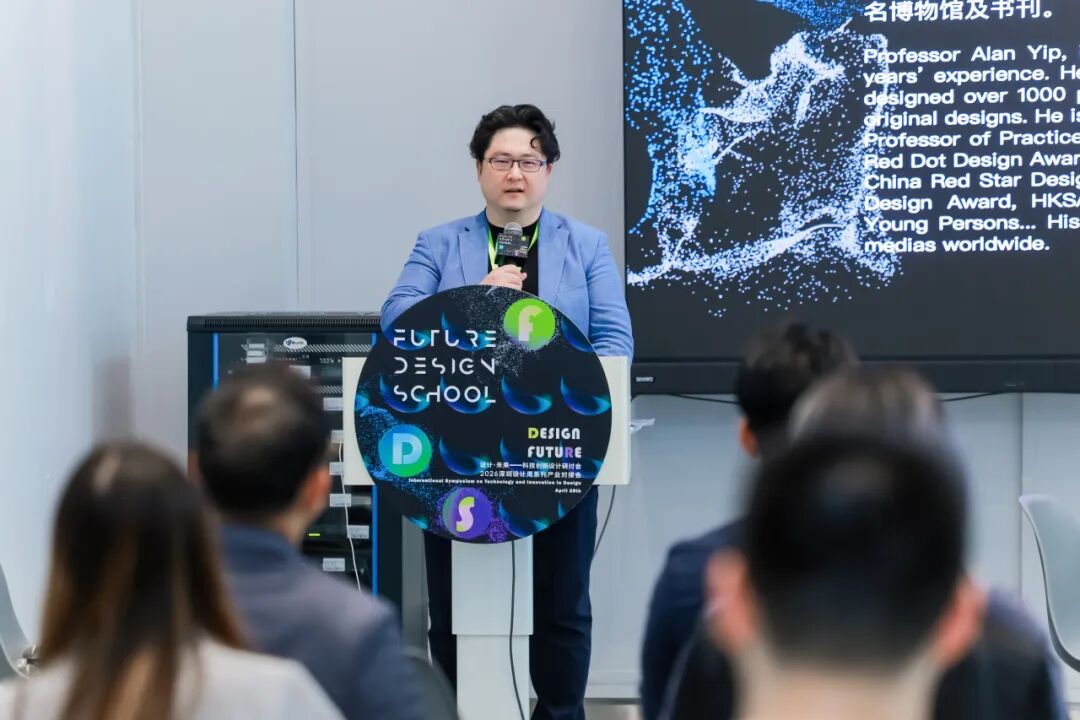
邱院长特别感谢国际战略咨询委员会的成立,这标志着未来设计学院在国际化、高端化发展道路上迈出了重要一步。委员会汇聚了全球顶尖的设计教育家、产业领袖和创新实践者,他们的加入将为学院的战略规划、学科建设、人才培养提供宝贵的指导和支持。学院将充分发挥委员会的智库作用,推动产学研深度融合,培养具有全球视野、创新精神和社会责任感的新一代设计师。
Dean Chiu particularly thanked the establishment of the International Strategic Advisory Board, which marks an important step for the Future Design School on its path of internationalization and high-end development. The board brings together the world’s top design educators, industry leaders, and innovation practitioners, whose participation will provide valuable guidance and support for the school’s strategic planning, discipline construction, and talent cultivation. The school will fully leverage the board’s think tank role, promote deep integration of industry, academia, and research, and cultivate a new generation of designers with global perspectives, innovative spirit, and social responsibility.
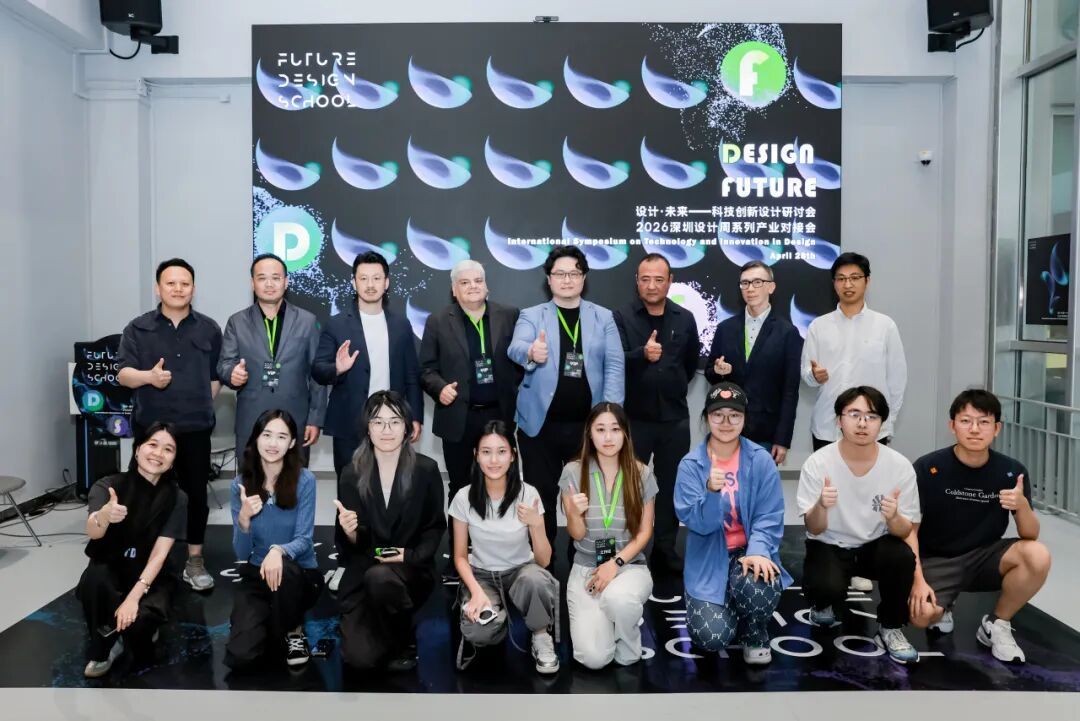
闭幕仪式合照
Group photo of Closing Ceremony
在热烈的掌声中,“设计·未来——科技创新设计研讨会”圆满落幕。这次研讨会不仅是一次学术交流的盛会,更是一次思想碰撞的盛宴,为设计教育的未来发展指明了方向,为设计实践的创新探索提供了启示,更为产学研深度融合搭建了平台。这次研讨会的影响将持续发酵,为设计教育和产业的发展注入新的活力和动力。
Amid warm applause, the “Design·Future — International Symposium on Technology and Innovation in Design” concluded successfully. This symposium was not only a grand gathering of academic exchange but also a feast of intellectual collision. It pointed out the direction for the future development of design education, provided inspiration for innovative exploration of design practice, and built a platform for deep integration of industry, academia, and research. The impact of this symposium will continue to ferment, injecting new vitality and momentum into the development of design education and industry.
视觉设计
Visual Design
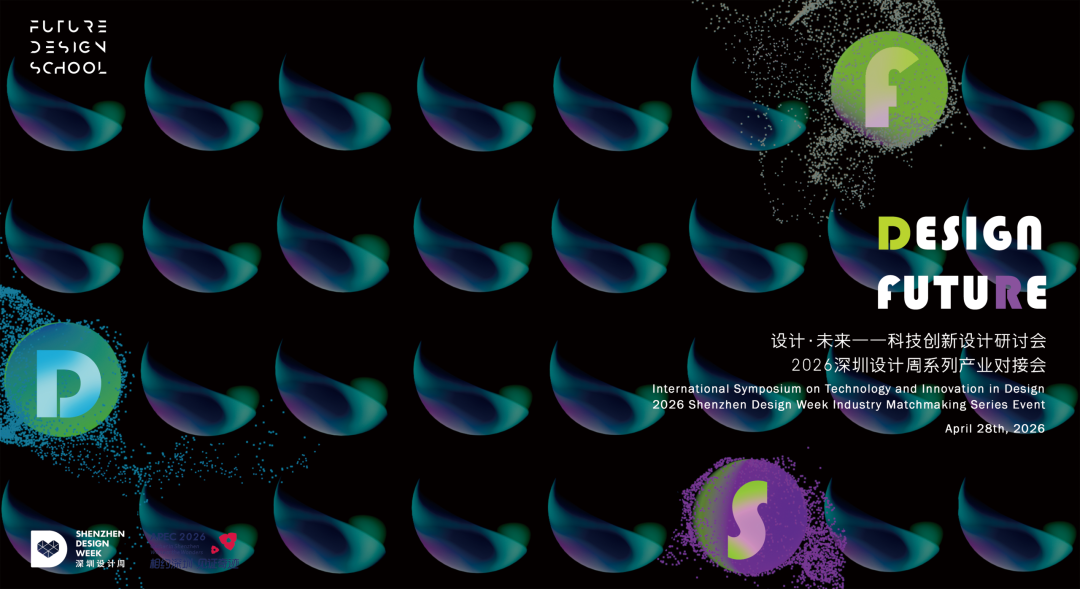
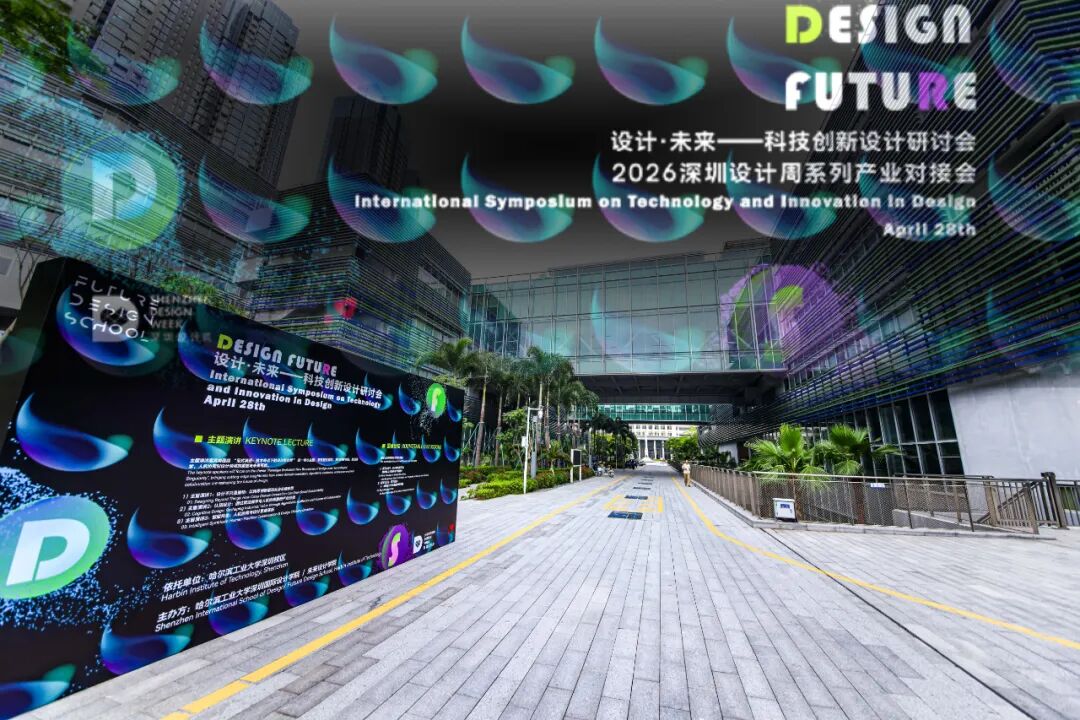
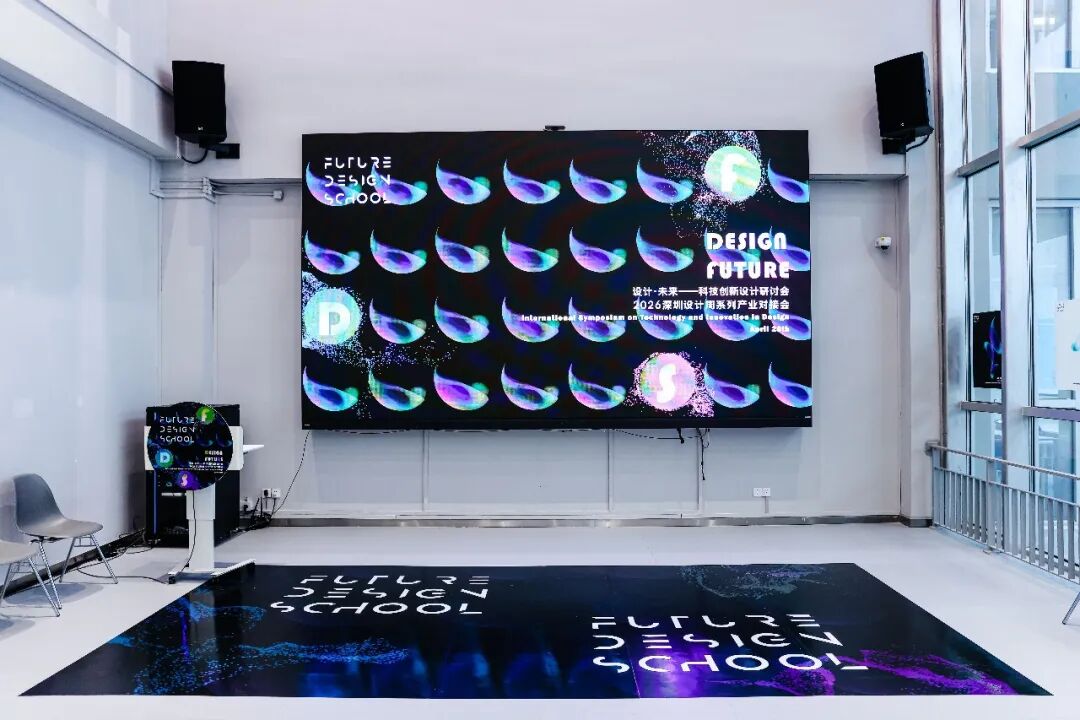
本次论坛的全套视觉由邱信贤院长进行主视觉设计指导,助理教授叶在乔负责全流程设计指导,视觉志愿者团队自主设计并交付。汪嫣然同学策划构思了主视觉。主视觉视频开头,印刻着“F”、“D”、“S”标识的三枚核心光球犹如破晓时分的朝阳次第升腾,寓意着未来设计像东升旭日般具有无限可能。画面中,富有质感的极光色副球随之流转,勾勒出灵动的生命律动,青蓝、瑰紫与荧光绿的高饱和渐变,如同在深邃苍穹中跳跃的灵感光束。富有韵律感的随机粒子发散巧妙地打破了有机图形的重复序列,这种“秩序中的突破”隐喻着新生代设计师敢于破壁、颠覆、重塑的勇气。这不仅是一场视觉的盛宴,更是对设计行业理性内核与感性创意的极致追求。
The entire visual identity for this forum was designed under the guidance of Dean Prof. Hsin-Hsien Chiu, with Assistant Professor Ye Zaiqiao overseeing the entire design process. The visual volunteer team designed and delivered the design independently. Student Wang Yanran conceived the main visual. At the beginning of the main visual video, three core light spheres, marked with 'F,' 'D,' and 'S,' rise in succession like the sunrise, symbolizing the infinite possibilities of future design. In the visuals, textured aurora-colored secondary spheres flow, outlining a dynamic rhythm of life. The high-saturation gradients of cyan, magenta, and fluorescent green resemble beams of inspiration leaping in the deep sky. The rhythmic dispersion of random particles cleverly breaks the repetitive sequence of organic graphics; this 'breakthrough within order' metaphorically represents the courage of the new generation of designers to break down barriers, subvert, and reshape. This is not only a visual feast but also an ultimate pursuit of the rational core and emotional creativity of the design industry.

可以通过扫描视频号二维码查看直播回放
You can view live streaming playback by scanning the QR code of the video number

FUTURE DESIGN SCHOOL
图 / 文:视觉志愿者团队,戴天晨
排版:李冠佑,姜锦锋 | 初审:赵紫钰 | 复核:邱信贤 | 终审:张爱书
学院邮箱:sisd@hit.edu.cn| 联系电话:0755-26923185
地址:广东省深圳市南山区桃源街道深圳大学城哈尔滨工业大学校区